NRI guide to buying property in Chennai
Featured Image of NRI guide to buying property in Chennai


NRI guide to buying property in Chennai shows how Indians living overseas can buy flats in Chennai under Reserve Bank of India (RBI) rules, where annual rent brings 3.2% to 4.8% cash yield and home values rise 7% to 11% every year. Foreign Exchange Management Act (FEMA) rules let Non-Resident Indians buy homes and offices with zero special government nods, as long as all money passes through clear bank routes.

Buying a home in Chennai also brings state fees. You pay 11% in total, with 7% stamp duty and 4% registration charges. You must check property papers back 30 years on the Tnreginet website. You must also check builder files on the Tamil Nadu Real Estate Regulatory Authority (TNRERA) portal. If you cannot fly to India to finish the deal, you can pick a family member through a Power of Attorney (PoA) to sign for you.
FEMA Guidelines and NRI Property Ownership Rights in Chennai


FEMA rules allow Non-Resident Indians (NRIs) and Overseas Citizens of India (OCIs) to buy any number of flats or offices in Chennai with no prior RBI check, but the law stops them from buying farm lands, farmhouses, or tea and rubber plantations. Foreign citizens without Indian blood cannot buy land in India unless they get it through a will from a local resident.

All property funds must move through formal bank wires with foreign money sent from abroad. Buyers cannot pay with cash, paper dollars, or informal cash hands, because these acts break foreign exchange laws.

  • Flats You Can Buy: You can buy ready homes, new flats, open plots, and commercial shops.
  • Lands You Cannot Buy: You cannot buy farm land, village plots, or farm spaces under common rules.
  • How to Pay: Money must come through wire transfers or from your non-resident bank accounts.
  • Paper Records: The full flat price must sit on the registered sale deed to stay valid and legal.

NRE and NRO Banking Architecture for Property Acquisition


Indian banking laws state that buyers abroad must pay for their property using an NRE account, an NRO account, or an FCNR deposit, which decides if your future sale money goes abroad freely or stops at a yearly cap of 1 million USD. Cash in an NRE account moves out of India with no extra limits, while money in an NRO account needs basic tax forms like Form 15CA and Form 15CB before it leaves.

Top Indian banks offer home loans for non-residents. These loans pay 75% to 80% of the flat cost for loan terms up to 30 years. Banks check your job, your monthly pay, and your bank papers before they send the money to the builder.

  • NRE Account: Best for sending money from abroad and taking your sale money back out anytime.
  • NRO Account: Best for taking in rent, dividends, and other rupee money earned inside India.
  • Loan Amounts: Banks give loans for 75% to 80% of the property value based on your pay.
  • Papers You Need: You need your Indian PAN card, your passport, your job slip, and your bank sheets.

Title Verification and TNRERA Due Diligence Protocol


Due diligence in Chennai means checking the title papers for 30 clear years on the Tnreginet web portal and verifying that the project holds an active TNRERA registration number, which keeps your money safe from land disputes and illegal construction. Real estate rules in Tamil Nadu force developers to keep 70% of buyer collections in a separate bank account so work finishes on time without cash being diverted elsewhere.

Taking time to read the building permits and ownership papers prevents long delays and unexpected court notices down the line. You can hire a local property lawyer to review these primary certificates before handing over any advance payments.

Paper Name Checking Office What It Confirms
TNRERA Certificate TNRERA Office Proves the project is approved and keeps money in a safe account
Encumbrance Certificate Sub-Registrar Office Proves the land is free from unpaid bank loans and court cases
Parent Title Deeds Land Registry Office Shows a clear chain of owners over the past 30 years
Sanctioned Plan CMDA or DTCP Office Proves the building design follows all local city planning laws
Completion Certificate Chennai Corporation Shows the finished building meets basic safety and utility norms

Transaction Tariffs, Registration Fees, and Capital Gains Taxation


Buying a home in Chennai comes with an 11% state charge that includes a 7% stamp duty and a 4% registration fee based on the property price or the government guideline value, whichever number is higher. If you buy a flat from an Indian resident for ₹50 Lakhs or more, you must hold back a 1% tax deduction (TDS) and pay it to the tax office.

When you sell a residential home after keeping it for more than 24 months, the profit carries a flat 12.5% long-term tax under Indian tax rules. You can cut down this tax by putting the profit into another home or by picking up government-approved infrastructure bonds.

  • Stamp Duty Rate: You pay 7% of the total agreement price to the state revenue department.
  • Registration Charge: You pay 4% at the local registry office to complete the name transfer.
  • GST on New Flats: You pay 5% GST on under-construction flats, but ready homes with a completion paper pay 0% GST.
  • TDS Withholding: You deduct 1% tax using Form 26QB when buying from a local seller above ₹50 Lakhs.
  • Saving on Taxes: You can save on tax by buying another home within two years or by picking bonds under Section 54EC.

Power of Attorney Execution for Remote Property Closures


A Specific Power of Attorney lets an NRI buy and register property in Chennai without flying into the country, by giving a trusted family member the legal authority to sign the papers at the local sub-registrar office. The document must carry the exact flat number, survey number, and address so its legal scope remains crystal clear.

To set this up from abroad, you sign the document in front of an officer at the Indian Embassy, or you get it notarized and apostilled by a foreign public notary. After your representative receives the paper in India, they must take it to the Chennai District Registrar Office within 90 days to pay the local stamp duty and get it stamped.

  • Sign Abroad: Sign the paper at an Indian Consulate or an approved foreign public notary.
  • Post to India: Send the original signed document to your family member in Chennai by secure courier.
  • Get It Stamped: Your person takes it to the local registrar office within 90 days to get the official stamp.
  • Sign the Flat: Your representative shows the stamped paper and completes the registration at the registry office.

Micro-Market Case Study: Prestige Padi Township Evaluation


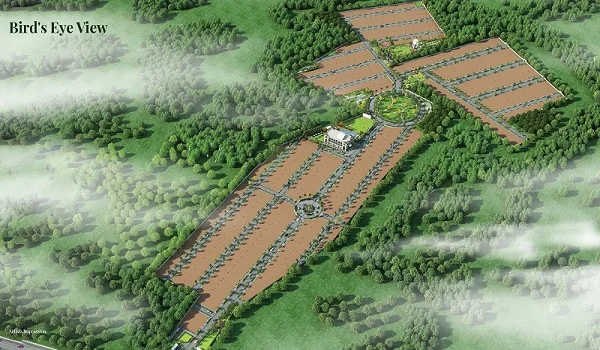
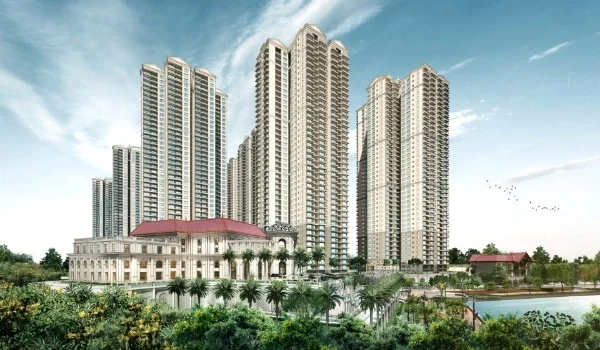
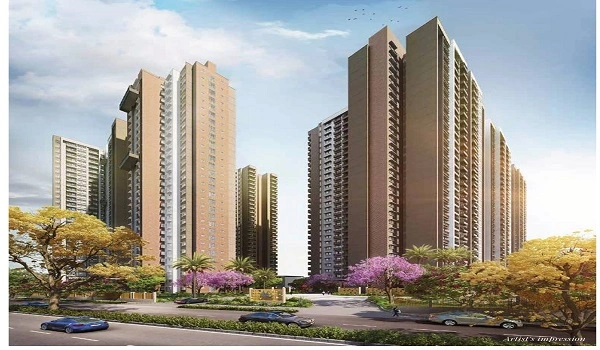
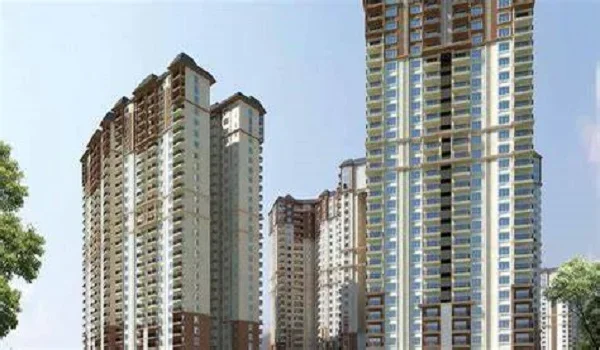
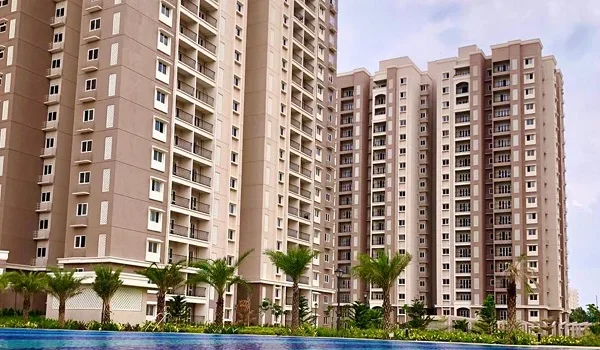
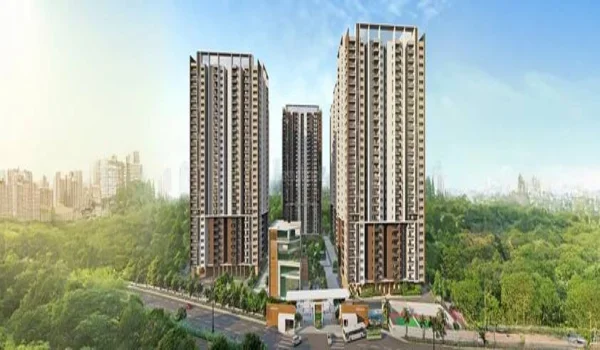
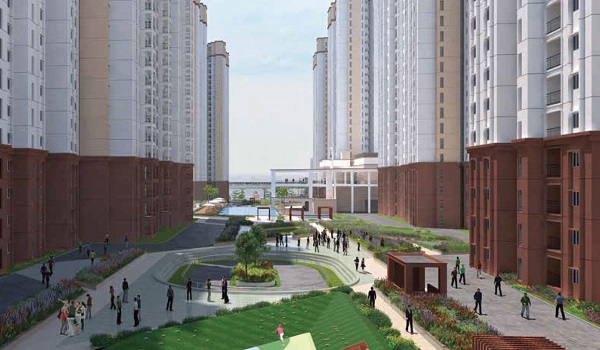
Prestige Padi is a large residential township built by the Prestige Group that covers 16 acres along Madras Thiruvallur High Road (CTH Road / NH-716) in North Chennai, where base flat prices start at ₹13,500 per square foot with entry home costs around ₹74.3 Lakhs. The development brings together 18 to 20 tall towers built with two basement levels, a ground floor, and 14 to 16 living floors, offering roughly 2,200 apartments in total.

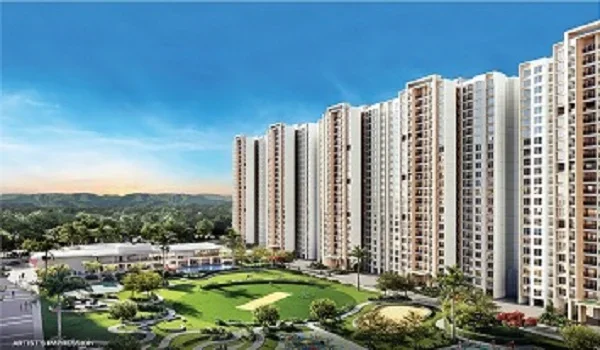
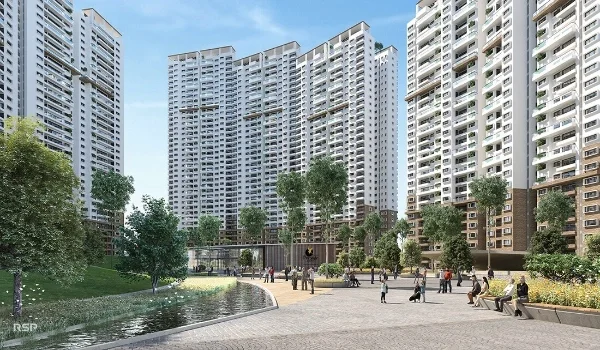
The master plan keeps 80% of the land—about 12.8 acres—open for green gardens, tree-lined walking trails, and play lawns, while the tall towers stand on only 20% of the ground space. The community offers different home sizes and price points to fit different family needs:

  • 1 BHK Homes: Sized from 550 to 650 sq. ft., starting at ₹74.3 Lakhs, making them great rental units for single IT workers.
  • 2 BHK Homes: Sized from 900 to 1,150 sq. ft., starting at ₹1.22 Crores, complete with two bedrooms, two baths, and a balcony.
  • 2.5 BHK Homes: Sized from 1,200 to 1,350 sq. ft., starting at ₹1.62 Crores, with an extra study room for working from home.
  • 3 BHK Homes: Sized from 1,350 to 1,800 sq. ft., starting at ₹1.82 Crores, giving families larger living rooms and balconies.
  • 4 BHK Luxury Units: Sized from 2,000 to 2,400 sq. ft., priced from ₹2.70 Crores to ₹3.24 Crores, offering wide room layouts.

Residents get a 60,000-square-foot clubhouse packed with a swimming pool, indoor badminton courts, a gym, yoga rooms, and round-the-clock gate security. The entry gate sits right on the main CTH Road, just 3.0 km from Thirumangalam Metro Station, 3.0 km from Korattur Railway Station, 3.5 km from Anna Nagar, and 4.0 km from Ambattur IT parks.

Rental returns in this belt hover between 3.8% and 4.4% every year because many people work in the nearby car plants and software firms. With stage-by-stage construction payments running until the planned handover in December 2031, buyers can spread their payments comfortably over several years.

FAQs


1. Can an NRI buy a home in Chennai together with a resident family member?

Yes, an NRI can buy a home jointly with a resident Indian family member or an OCI cardholder. Both names will appear on the final registered sale deed, and all payments must come through official bank accounts.

2. How can an NRI send rental income from Chennai back to their foreign account?

You can send your rental money abroad through your Indian NRO account up to 1 million USD each financial year. You just need to have a Chartered Accountant fill out simple tax declaration forms named Form 15CA and Form 15CB.

3. What is the fee to give a Power of Attorney to a family member in Chennai?

Giving a specific Power of Attorney to a close family member costs a small, nominal fee at the registry office. If you give this authority to a person outside your direct family, the government charges a 4% stamp duty based on property value.

4. Can an NRI take a home loan from an Indian bank for an ongoing project?

Yes, Indian banks offer home loans for up to 80% of the flat price to NRIs with steady jobs. The bank sends payments straight to the builder's approved RERA account as different building stages get finished.

Enquiry
Enquire Now