Kids safety in gated community
Featured Image of Kids safety in gated community


Keeping kids safe in a closed neighborhood means having guards at the gate all day and night. It means keeping cars away from the play areas so kids do not get hurt. Cars drive straight down into the basement as soon as they enter. This keeps walking paths, green lawns, and bike tracks totally free of cars. Cameras watch the front gates, building doors, and open parks around the clock. Phone apps help guards stop strangers from walking in. They also make sure no young child walks out alone unless a parent says it is okay.

Living here makes daily life so easy for young families. Kids get big green yards to play in. They do not have to sit inside all day. They can run, ride bikes, and make good friends. Parents feel totally safe. Good guards and clear rules keep the parks secure. The whole family gets to rest, breathe fresh air, and have fun together.
1. Multi-Tiered Access Control and Smart Gate Security


Perimeter access uses trained security guards and phone apps to stop visitors before they reach residential buildings. Every visitor must stop at the front gate and state their purpose clearly.

  • Fast Parent Approvals: Mobile apps ask parents to tap an approval button on their phone before any delivery person or repair worker walks inside.
  • Child Gate Lockdowns: Security guards follow strict orders never to let any child under 10 walk past the main gates without a parent right next to them.
  • Non-Stop Camera Coverage: Clear security cameras record common areas, lift entrances, boundary walls, and play parks day and night.
  • Digital Visitor Logs: The gate team keeps digital logs of every delivery bike and service van with exact entry and exit times.

These gate checkpoints keep strangers out of residential towers, letting children move between buildings and parks without worry.

2. Car-Free Podiums and Child-Safe Traffic Engineering


Smart design keeps people safe. It keeps moving cars far away from where kids play. When cars drive in, they go straight under the ground. This simple rule stops bad accidents. You do not have to worry about cars backing up or drivers not seeing a child, which happens a lot on normal city streets.

  • Basement-First Driving: Cars go straight into the basement parking after entering through the main gate, keeping surface paths free from regular traffic.
  • Slow Speed Limits: Internal roads follow a 10 to 15 km/h speed limit, with speed bumps and wide safety mirrors to help drivers slow down and see around corners.
  • Internal School Bus Stops: Communities can provide covered bus waiting areas inside the gates so that children can wait and board buses away from busy roads.
  • Protected Cycling Tracks: Walking and cycling paths give children space to ride bikes and skate without having to share the main road with cars.

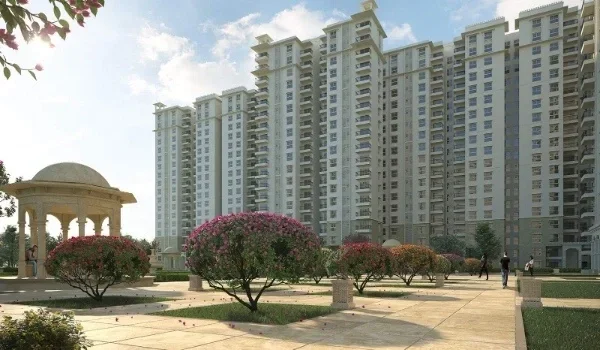
Keeping cars off the ground floor creates a quiet, open space where toddlers can walk, and older kids can run freely.

3. Child-Proof Playparks, Splash Pools, and High-Rise Common Areas


Tall buildings and play areas follow easy rules to keep kids safe. These rules stop bad falls and keep kids from getting hurt. Parks do not use hard cement or dirty sand anymore. Instead, they use thick, soft rubber mats. This soft floor catches kids safely when they jump and play.

  • Cushioned Play Floors: Play areas use soft rubber mats that cushion sudden slips, preventing bad scrapes, cuts, and bruises.
  • Smooth Playground Sets: Swings, monkey bars, and slides use rounded plastic edges and coated swing chains with zero sharp metal corners.
  • Gated Wading Pools: Kids' splash pools stay very shallow at knee height, safely fenced off from adult swimming areas behind locked latches.
  • Tall Balcony Railings: Balconies use strong steel railings standing at least 1.2 meters high, with narrow gaps under 10 cm so toddlers cannot climb through.
  • Smart Lift Safety: Lifts use low infrared beams that reopen closing doors if a child's hand, foot, or toy blocks the way.

These simple, practical building details make shared facilities much safer for energetic kids every day.

4. Child-Centric Infrastructure Planning: Safety Architecture at Prestige Padi


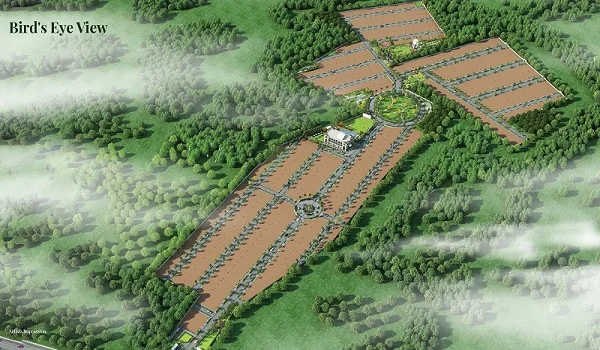
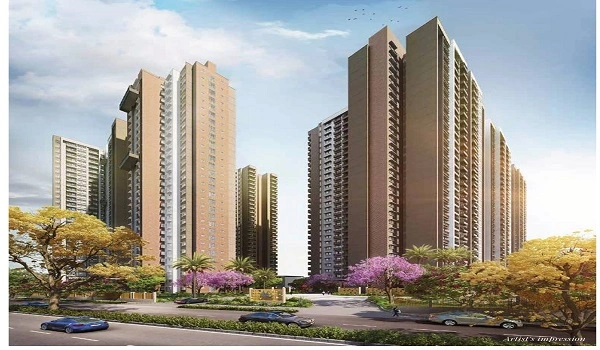
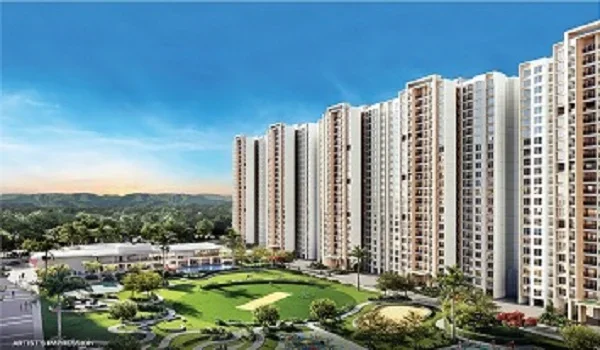
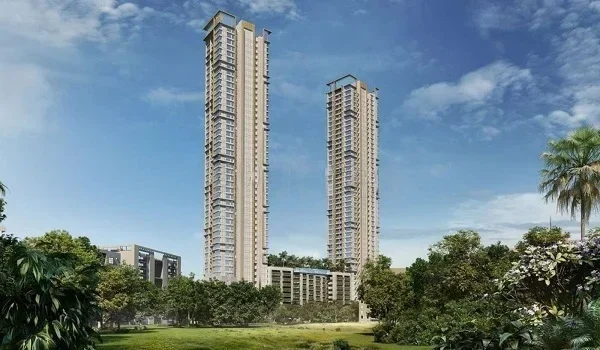
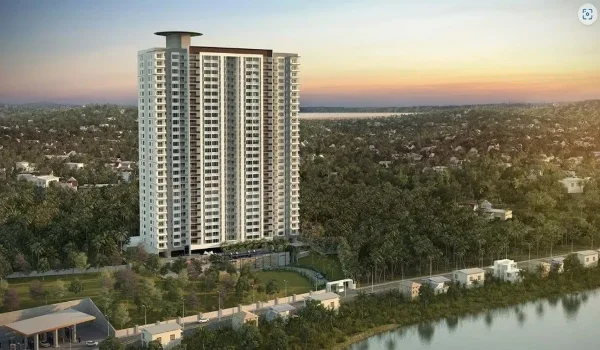
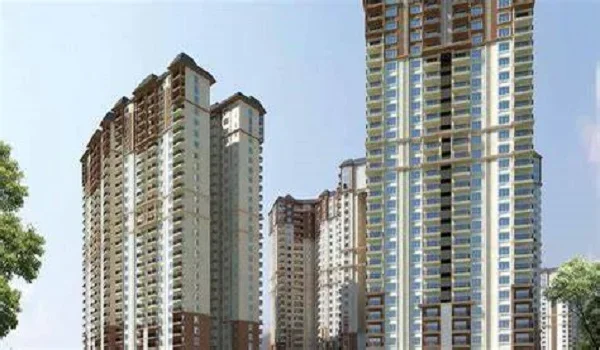
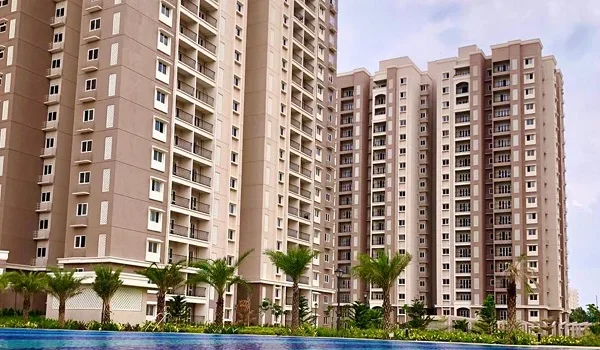
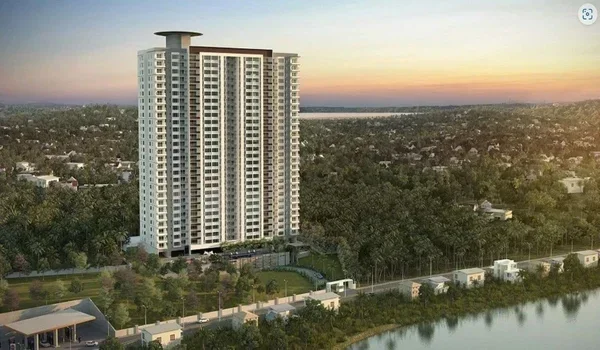
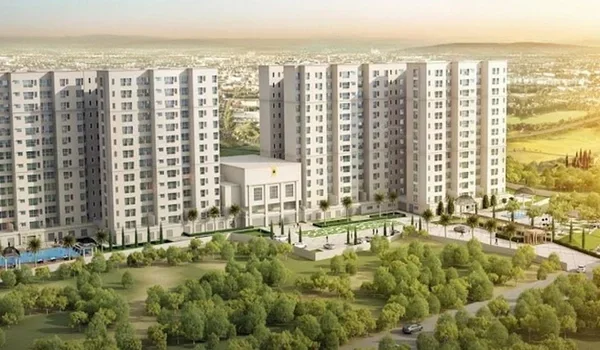
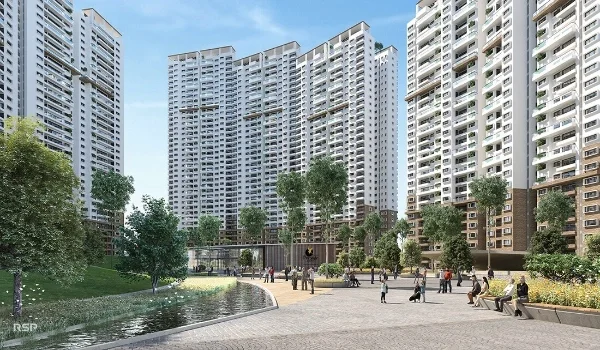
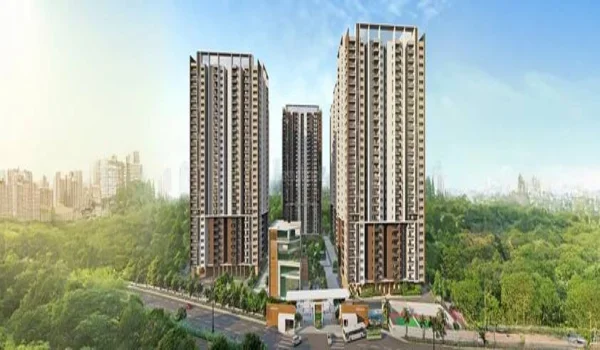
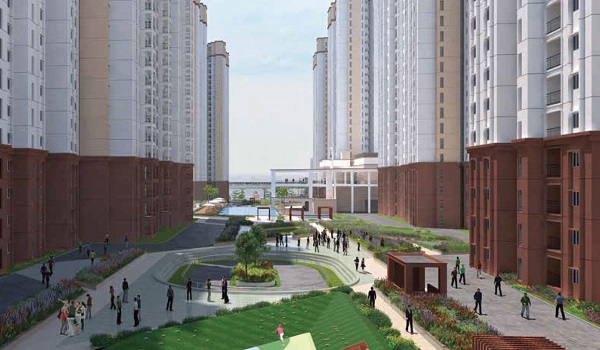
The 16-acre Prestige Padi project on CTH Road in Chennai uses its land plan to keep more ground space open for families. The project has 18 to 20 towers with two basement levels, a ground floor, and 14 to 16 upper floors. Around 80% of the land, or about 12.8 acres, is kept open for green areas, gardens, and car-free spaces.

As shown on the official project site, cars enter through the main gate and move down to the two basement parking levels. This keeps regular vehicle traffic away from the ground-level areas and leaves more open space for walking and children’s play.

  • Three-Layer Security Watch: The project uses full perimeter walls, around-the-clock guards, and continuous camera monitoring across every wing.
  • 60,000 Sq. Ft. Clubhouse: A large indoor clubhouse offers supervised sports areas and play spaces so kids can stay active even during rainy or hot days.
  • Separate Splash Pool: Toddlers enjoy an isolated shallow pool built away from deeper adult swimming zones, keeping young swimmers safe.
  • Full Generator Power Backup: All passenger and service lifts run on emergency backup power, ensuring kids never get stuck between floors during power cuts.

By combining basement parking with round-the-clock gate supervision, the project shows how large family communities keep kids safe.

5. Community Rules and On-Site Medical Care


A good neighborhood team sets simple rules to keep evening playtime safe and calm. They often tell delivery riders to park at the front gate from 5:00 PM to 7:30 PM. This lets kids run on the paths with zero worry.

The building staff keeps a clean first-aid room on-site for basic emergencies. Some staff members are also trained to give basic first aid when a child gets hurt. Regular fire drills teach children where to go and where to wait safely. These simple steps help neighbours support each other and keep the community safer.

FAQs


1. How do gated communities stop children from walking outside alone?

Guards watch the gates all day and night. Strict rules mean young kids can only leave with a parent or a trusted adult.

2. What is a car-free podium and why does it help kids?

It is a big open space with no cars. All cars park down in the basement. This leaves the ground open for kids to walk, skate, and ride bikes safely.

3. Are high-rise apartment balconies safe for toddlers?

Yes, smart design makes them safe. The railings must be at least 1.2 meters tall. The bars are placed close together so a child cannot slip through or climb over.

4. Why is rubber flooring safer than sand in children's parks?

Rubber mats give kids a soft place to land if they fall. They are also much cleaner than open sand, which can hide sharp stones, dirt, and animal mess.

5. How do communities keep swimming pools safe for small children?

Kids get their own shallow pool. A locked fence keeps it apart from the deep water. Trained guards also watch the water the whole time the pool is open.

Enquiry
Enquire Now